What is a Portable Router and How Does It Work?
In today's fast-paced world, staying connected is vital. A Portable Router emerges as a practical solution for many users. According to a report from Statista, over 70% of consumers now rely on mobile devices for internet access. This reflects a growing demand for efficient and flexible internet solutions. The Portable Router facilitates seamless connectivity, whether for business travel or outdoor activities.
Portable Routers function by creating a localized Wi-Fi network. They connect to cellular data networks, providing wireless internet access for multiple devices. This technology offers a lifeline for remote workers and travelers. In fact, research shows that 60% of remote workers declare reliable internet access as crucial for productivity. However, this convenience does come with potential drawbacks. For instance, battery life and data limits can limit usability.
In the evolving digital landscape, Portable Routers are becoming essential tools for connectivity. Their rise highlights the need for reliable internet solutions. Many users still face challenges, such as fluctuating signals or security issues. Therefore, understanding how Portable Routers work is key to maximizing their benefits and overcoming these challenges.

What is a Portable Router?
A portable router is a compact device that provides internet connectivity on the go. It allows users to create a personal Wi-Fi network wherever there is a cellular signal. Typically, portable routers run on battery power, making them ideal for travel, camping, or remote work. These devices connect to mobile networks, providing a secure and private internet connection for smartphones, tablets, and laptops.
The functionality of a portable router is straightforward. Users insert a SIM card into the device, which connects to the cellular network. Once activated, the router broadcasts a Wi-Fi signal. This process usually takes just a few moments. Portable routers often have features like multiple device connections and encryption for added security. Despite that, battery life can vary. Users may need to recharge frequently, especially when connecting multiple devices.
Setting up a portable router can sometimes be confusing. The instructions may not always be clear, causing delays in connection. Additionally, data limits can be a concern. It's essential to monitor usage to avoid extra charges. Sometimes the signal strength may fluctuate, impacting internet speed. Users might find themselves searching for better coverage often. Such challenges remind users to consider their needs before relying on a portable solution.
What is a Portable Router and How Does It Work?
| Feature |
Description |
| Definition |
A portable router is a compact device that allows users to connect multiple devices to the internet wirelessly. |
| Functionality |
It enables internet access via cellular data or a wired connection, distributing the signal to connected devices. |
| Power Source |
Most portable routers are battery-powered, allowing for use in various locations without needing an outlet. |
| Connectivity Options |
Can connect to 3G, 4G, or 5G networks, and sometimes support wired Ethernet connections. |
| User Capacity |
Typically supports anywhere from 5 to 30 users, depending on the model and usage scenario. |
| Usage Scenarios |
Ideal for travel, outdoor activities, or as a backup internet source at home. |
| Setup Process |
Usually involves turning on the device, connecting to a mobile network, and configuring Wi-Fi settings through an app or web interface. |
Key Features of Portable Routers
Portable routers have become essential for staying connected on the go. They provide internet access wherever you are, whether at home, in a coffee shop, or on a road trip. Understanding their key features can help you choose the right one for your needs.
One important feature of portable routers is their compact design. They are lightweight and easy to carry, fitting into your bag or pocket. Many offer multiple connection options, including Wi-Fi, Ethernet, and even 4G LTE. This versatility means you can connect multiple devices simultaneously. Battery life also varies; some models can last for several hours, while others may require frequent charging.
Security is a crucial aspect of portable routers. They often come with built-in encryption, protecting your data from potential threats. However, not all portable routers implement robust security measures. Users should investigate before making a choice. Additionally, some models lack advanced features like VPN support, which could be essential for privacy-conscious individuals. Evaluating these elements helps ensure you find a reliable device that suits your unique requirements.
How Portable Routers Work
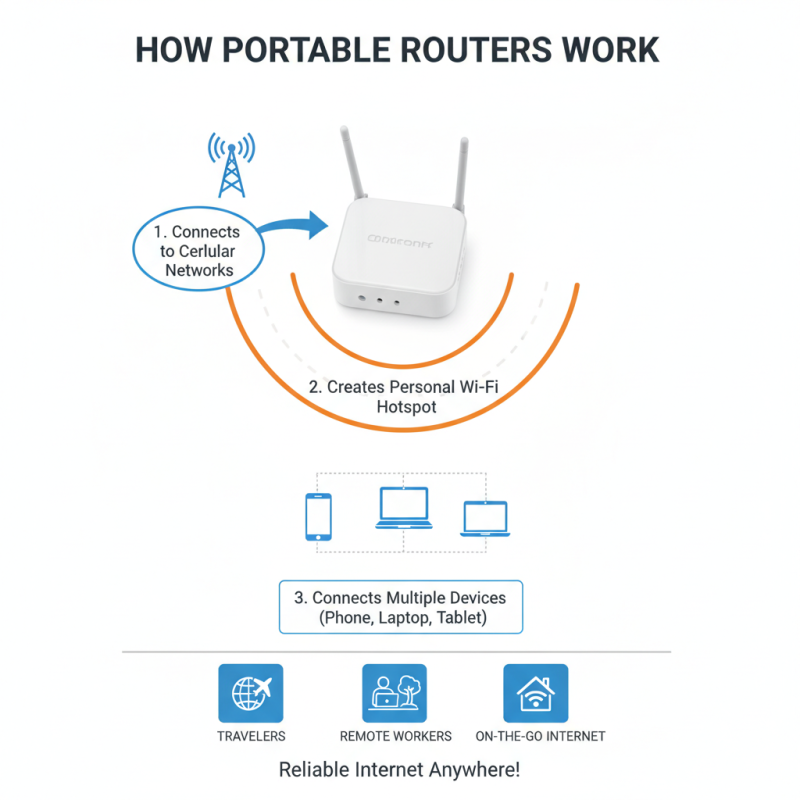
Portable routers are compact devices designed to provide internet access on the go. They connect to cellular networks and create a personal Wi-Fi hotspot. This allows users to connect multiple devices simultaneously. They are ideal for travelers, remote workers, and anyone needing reliable internet outside their home or office.
These routers function by leveraging mobile data. When they receive a signal from a cellular network, they translate that signal into Wi-Fi. Users simply need to power on the device and connect to the designated network. However, connectivity can vary based on location. Some areas may offer a weak signal or none at all. It’s crucial to choose a device that supports various frequency bands to maximize coverage.
While portable routers offer convenience, there are limitations. Battery life may shrink during heavy use, making it less dependable for extended periods. Additionally, the data plans associated with these devices can be costly in some regions. Users should actively monitor their data usage to avoid unexpected charges. Understanding these nuances helps users find the best portable router for their needs. It empowers them to make informed choices and avoid frustrations.
Benefits of Using a Portable Router
A portable router can transform how we connect to the internet on the go. These compact devices allow users to access the web wherever there is mobile signal. For travelers, students, or professionals, this means staying connected without relying on public Wi-Fi, which can be insecure.
One significant benefit of using a portable router is enhanced security. Public networks often expose users to various risks. By creating a secure connection via a portable device, users can safeguard their sensitive information. Additionally, many portable routers support multiple devices. This is ideal for groups who need to connect at once. Sharing a secure connection with friends or colleagues is a simple solution for everyone’s connectivity needs.
However, there are challenges to consider. Battery life can be a concern during long trips. Regular charging is necessary to maintain connection. Moreover, signal strength can vary depending on your location. In remote areas, performance may not meet expectations. Awareness of these limitations is crucial for effective usage. The convenience of a portable router is undeniable, but it also requires mindfulness to maximize its benefits.
Common Uses and Applications of Portable Routers
Portable routers are increasingly popular for various scenarios. They provide internet access where traditional connections might be lacking. For travelers, these devices enable browsing, streaming, and staying connected without relying on public Wi-Fi. It's a relief to get online while exploring new places or waiting at the airport.
In business, portable routers offer significant advantages. Professionals can work from almost anywhere, improving productivity. Teams on the go benefit from seamless connectivity during meetings or presentations. However, challenges exist. Battery life can be limited, and signal strength varies by location. Users must be mindful of data security, particularly on open networks.
Students often utilize portable routers for studying. They can collaborate with peers or access resources from anywhere. This flexibility is valuable for remote learning. Yet, not all portable routers deliver the same speed and reliability. Some may require a learning curve to set up correctly. It's essential for users to research options to find the best fit for their needs.