How to Choose the Best Internet Router for Your Needs?
Choosing the best Internet Router for your needs can be overwhelming. With so many options available, it's easy to feel confused. An Internet Router connects you to the online world. It affects your speed, coverage, and reliability.
Understanding how to select the right router is crucial. Different routers serve different purposes. For instance, some are great for gaming, while others excel in streaming. Knowing your specific needs helps narrow down your choices. Performance varies widely among models, and not all routers are created equal.
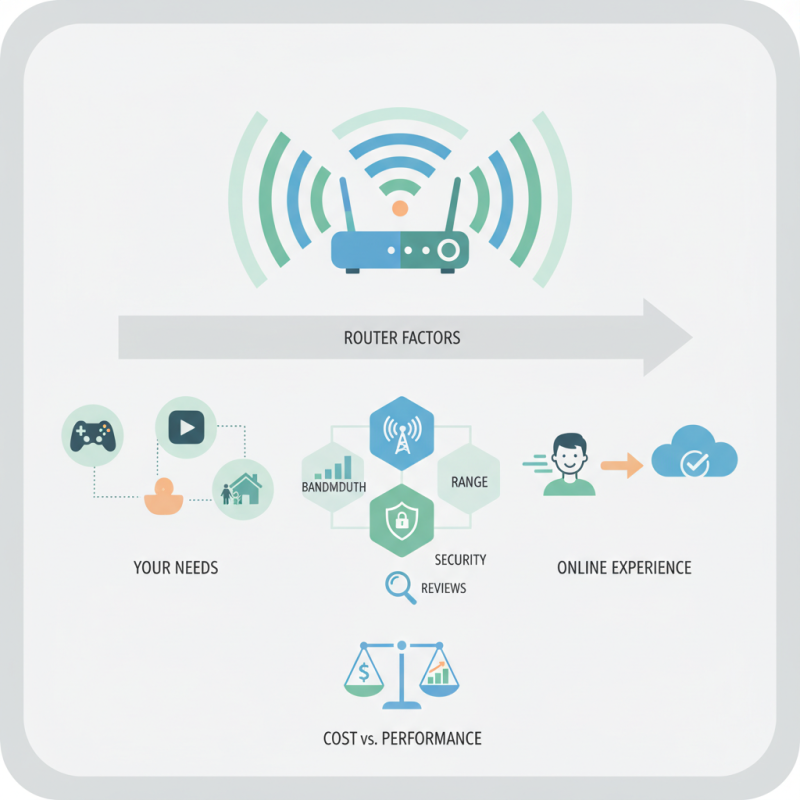
Consider factors like bandwidth, range, and security features. A good router adapts to your home’s layout and your internet usage. Don’t forget to check reviews and expert recommendations before buying. It’s important to find a balance between cost and performance. Ultimately, the right Internet Router can enhance your online experience significantly.
Understanding Your Internet Needs and Usage Patterns
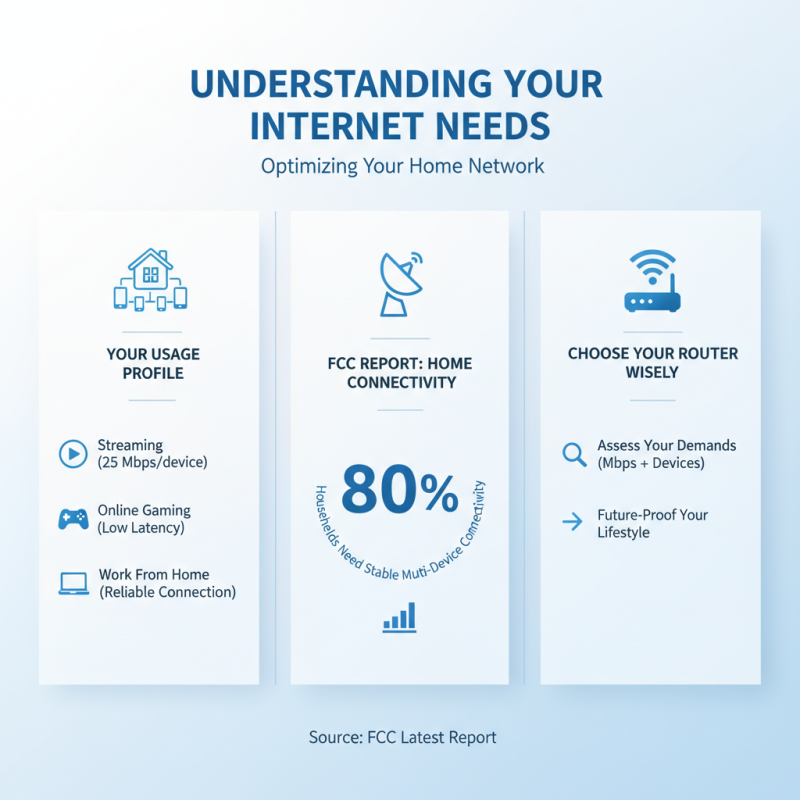
When choosing the best internet router, understanding your internet needs and usage patterns is crucial. According to the latest report from the FCC, approximately 80% of households require stable connectivity for multiple devices. If you stream videos, play online games, or work from home, your demands increase. High-definition streaming can consume up to 25 Mbps per device. Hence, assessing your usage is essential for selecting a router that fits your lifestyle.
For households with multiple users, router performance is vital. A report from the Pew Research Center noted that 70% of internet users experience buffering during streaming. This can stem from bandwidth limitations or network congestion. If your family uses various devices simultaneously, consider a dual-band or tri-band router. These routers can better manage traffic and ensure smoother performance. However, investing in more advanced devices may not always solve connectivity issues. It’s important to evaluate your home's layout and possible interference from walls or other electronic devices.
Many individuals overlook the importance of regularly updating their routers. Firmware updates can enhance security and improve performance. Roughly 50% of users don’t check for updates, which can lead to vulnerabilities. By regularly reviewing your router's configuration and performance, you can adapt to changes in your internet usage over time. Consider this aspect as you make your choice; it can significantly impact your internet experience.
Types of Internet Routers: An Overview of Options Available
When selecting an internet router, it’s essential to understand the various types available. The most common types include wireless, wired, and dual-band routers. Wireless routers offer the convenience of connecting multiple devices without cables. They are ideal for mobile devices and homes with various gadgets. On the other hand, wired routers provide a stable connection for those who prioritize speed over convenience. You might want one for gaming or streaming to avoid interruptions.
Dual-band routers stand out by supporting two frequency bands: 2.4 GHz and 5 GHz. The 2.4 GHz band covers a larger area but is slower, while the 5 GHz band offers faster speeds in smaller ranges. Choosing between these options can be tricky. Consider your living space and the number of devices you plan to connect. Even with similar specifications, performance can vary across different routers, making research crucial.
Reflect on your internet habits. Do you stream videos, play games, or work from home? Identify your needs to make a better choice. Sometimes, the latest technology isn’t necessary. Balancing speed, coverage, and budget can lead to a more satisfying experience. Each router type has its strengths and weaknesses—take the time to analyze them for a more informed decision.
How to Choose the Best Internet Router for Your Needs?
| Router Type |
Speed (Mbps) |
Range (sq ft) |
Best For |
Price Range |
| DSL Router |
1-100 |
1,000 |
Basic Internet Browsing |
$50 - $100 |
| Cable Router |
100-1000 |
2,500 |
Streaming & Gaming |
$75 - $200 |
| Fiber Optic Router |
300-1000+ |
3,000 |
High-Speed Activities |
$100 - $300 |
| Wireless Router |
150-300 |
1,500 |
Mobile Devices & Laptops |
$50 - $150 |
| Mesh Wi-Fi System |
Up to 1,200 |
5,000+ |
Large Homes |
$200 - $500 |
Key Features to Look for When Selecting a Router
When selecting a router, it's essential to consider several key features that align with your specific needs. One of the most critical aspects is speed. Look for routers that support the latest Wi-Fi standards. This can dramatically impact your internet experience. Higher speed enables smoother streaming, gaming, and browsing.
Coverage area is another crucial factor. Depending on the size of your home, some routers may not reach every corner. Consider your space and choose a model that can adequately cover all required areas. Range extenders might help if your chosen router struggles with coverage.
Additionally, security features are paramount. Ensure the router supports advanced encryption methods like WPA3. This protects your data from unauthorized access. Many routers offer parental controls, which allow you to manage your children’s online activities. This can be particularly useful but also requires regular monitoring to ensure effectiveness. Reflecting on these features can lead to a more informed decision. Ensure that you choose a device that not only fits your current needs but is also scalable for potential future demands.
Considerations for Router Placement and Coverage
When choosing a router, placement is crucial. An optimal location can significantly enhance Wi-Fi coverage. Research indicates that signal strength diminishes by approximately 50% with each wall it passes through. This suggests that centralized placement is best for even distribution. Avoid corners and cramped spaces.
Physical barriers like furniture, appliances, or other electronics can obstruct the signal. Elevate the router above ground level for better reach. Consider using a Wi-Fi app to identify dead zones in your home. Such tools can help pinpoint the best spot for your router.
Tip: Arrange your router away from interference sources like microwaves. They can disrupt the signal, leading to slower speeds. If coverage issues persist, consider a mesh network to extend the range. This approach can enhance connectivity in larger spaces, providing strong coverage throughout.
Router Coverage by Different Router Types
Budgeting: Finding the Right Balance Between Cost and Performance
When budgeting for an internet router, find the right balance between cost and performance. A higher price often means better speed and features. Yet, you might not need all those extras. Evaluate your actual needs. For example, if you live alone and stream occasionally, a basic model may suffice. Paying more for advanced gaming features won't benefit casual users.
Consider future-proofing your choice. Investing a bit more now can save you costs later. A mid-range router may accommodate upgrades and increasing demands. However, assess reliability and reviews. Sometimes, budget models outperform pricier counterparts. It’s essential to reflect on user experiences. Check forums and expert recommendations to guide your decision. Balancing performance with budget constraints may lead to surprising choices. Finding a router tailored to your unique situation can be rewarding.